Jazz Pen: A Handwritten Font That Adds Personality to Every Craft
Designing with Jazz Pen: A Maker’s Story
It was a quiet Sunday morning when I sat down at my desk with a fresh idea for a set of candle labels. I had the perfect soy candles ready, but the labels felt too generic. I wanted something that felt handmade, personal, and warm. That’s when I opened my font folder and clicked on Jazz Pen. From the first letter I typed, the mood changed. The soft curves, the playful baseline bounce—it gave my candle line the charm I’d been missing.
What Makes Jazz Pen Special
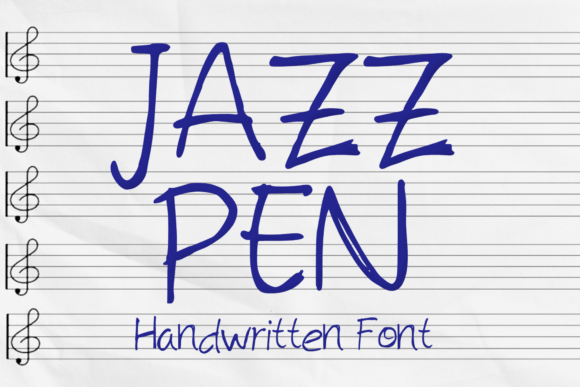
Jazz Pen is a display font with a strong handwritten personality. It’s not a stiff, formal script—it’s the kind of font that feels like a note passed between friends or a message scrawled on a chalkboard in a cozy café. It’s expressive, a little whimsical, and always approachable. Whether you're designing greeting cards, boutique tags, or digital printables, Jazz Pen brings a sense of authenticity and warmth.
What really stands out about this font is its visual rhythm. The letters flow naturally, with slight variations that mimic real handwriting. It includes ligatures and alternate characters that help avoid repetition, making your text feel more organic and less digital. And because it’s a display font, it’s perfect for short phrases, titles, and decorative text rather than long paragraphs.
Real-World Uses for Jazz Pen
Since that first candle label, I’ve used Jazz Pen across a wide range of products. Here are a few examples from my own shop:
- Wedding invitations – I paired Jazz Pen with a clean serif font for a modern-yet-personal look.
- Seasonal greeting cards – Perfect for handwritten-style sentiments that feel genuine.
- Printable wall art – Used for short inspirational quotes that bring a cozy, artistic touch to any room.
- Product tags – For boutique-style hang tags that give handmade items a polished finish.
- Digital templates – Clients love how Jazz Pen adds a personal touch to planner pages and social media graphics.
One of the most fun uses was for a set of holiday gift tags. I used a Cricut machine to cut out the tags and printed the names in Jazz Pen. The font’s slightly bouncy baseline made the tags feel like they were written by hand, even though I was able to mass-produce them.
How Jazz Pen Enhances Product Presentation
Typography matters more than many makers realize. The right font can elevate a simple design into something memorable. Jazz Pen does more than just look pretty—it helps create a brand identity that customers can connect with emotionally. When people see a handmade product with Jazz Pen on the label or packaging, they perceive it as more thoughtful and artisanal.
For example, I sell printable planner pages as digital downloads. Before using Jazz Pen, the headers looked generic. After switching, customers mentioned how the pages felt more personal and creative. That small change helped increase engagement and even led to a few repeat buyers who said they loved the “handwritten feel” of the layouts.
Readability and Practical Design Tips
While Jazz Pen is incredibly expressive, it’s important to use it wisely. It’s best suited for short text like:
- Labels
- Titles
- Names
- Decorative phrases
It’s not ideal for long paragraphs or small text, especially when printing on stickers or product tags. I’ve learned that when using it on small cut files (like for Silhouette or Cricut projects), it’s best to keep the text short and avoid very small sizes to maintain legibility.
When preparing digital mockups, I always preview how Jazz Pen looks at different sizes. Sometimes I’ll adjust the spacing or kerning slightly to ensure the letters don’t feel crowded. It’s a small step, but it makes a big difference in how the final product looks online and in person.
Font Pairing Ideas for Design Harmony
Jazz Pen shines brightest when paired with a complementary font. Since it’s a handwritten display font, I often pair it with:
- Clean sans serif – For contrast and modernity, especially in wedding invitations or boutique packaging.
- Simple serif font – Adds a classic touch when used for body text or descriptions.
- Bold script or brush font – For layered designs like wall art or seasonal signs.
One of my favorite pairings is Jazz Pen with a minimalist sans serif like Montserrat or Lato. This combo works especially well for digital templates, product packaging, and social media graphics. It balances the organic feel of Jazz Pen with a clean, modern structure that’s easy on the eyes.
What to Check Before Using Jazz Pen in Your Shop
Before using any font in commercial work, it’s crucial to verify the licensing. Jazz Pen is typically available with a commercial license, which means you can use it in physical products, printables, SVG designs, and digital downloads. However, always double-check the font’s license terms to ensure it covers your intended use.
Also, take a look at what’s included in the font package. Many premium fonts like Jazz Pen come with:
- Multiple weights
- Alternate characters
- Ligatures and swashes
- Support for multiple languages
- Various file formats (OTF, TTF, WOFF)
These extras can be incredibly useful, especially when designing for international customers or creating layered text effects in design software like Adobe Illustrator or Canva.
Final Thoughts: Jazz Pen in Your Creative Workflow
Whether you’re creating greeting cards, digital printables, or product packaging, Jazz Pen is a versatile typeface that brings warmth and personality to your work. It’s not just a font—it’s a design tool that helps you connect with your audience on a more personal level.
As a maker, I’ve found that the right font can be the difference between a good design and a great one. With Jazz Pen, I’ve been able to infuse my products with a sense of authenticity and joy that resonates with customers. If you’re looking for a handwritten font that’s both expressive and practical, Jazz Pen might just be your new go-to choice.